Landscape gardening is more than just planting flowers and trimming hedges; it’s about creating a harmonious outdoor space that reflects your personal style while enhancing the beauty of your property. Whether you have a sprawling backyard or a compact garden, the principles of landscape gardening can help you transform your outdoor area into a stunning oasis. In this article, we will explore the fundamentals of landscape gardening, including design concepts, plant selection, and maintenance techniques that will ensure your garden flourishes year after year.
The first step in creating a beautiful landscape is developing a clear vision of what you want to achieve. Consider how you intend to use your outdoor space. Are you looking for a tranquil retreat, a vibrant entertaining area, or a lush vegetable garden? Understanding your goals will guide your design choices and plant selections. Take the time to visualize how you want your garden to feel and function, and jot down your ideas to create a cohesive plan.
Once you have a vision, it’s essential to familiarize yourself with the landscape design principles that can help bring that vision to life. One of the fundamental concepts in landscape gardening is the idea of balance. Achieving balance involves distributing visual weight throughout your garden, whether through symmetrical or asymmetrical arrangements. Symmetrical designs often evoke a sense of order and formality, while asymmetrical arrangements can create a more relaxed and natural look. Choose the style that best aligns with your personal taste and the overall architecture of your home.
Another crucial principle is unity, which refers to the overall cohesion of your garden. To achieve unity, select a consistent color palette and theme for your plants and hardscape elements, such as pathways, patios, and fences. For example, if you opt for a tropical theme, incorporate bold colors and lush foliage, while a more traditional garden may feature softer pastels and classic plant varieties. This harmony will make your garden feel inviting and well thought out.
In addition to balance and unity, consider the concept of focal points. A focal point draws the eye and creates interest within the landscape. This could be a striking tree, a sculpture, a fountain, or a beautifully designed patio. When designing your garden, think about how you can create visual interest through focal points while ensuring they complement the surrounding plants and features.
Once you have a design plan in mind, it’s time to start selecting plants. When choosing plants for your landscape, consider factors such as climate, soil type, and sunlight exposure. Native plants are often an excellent choice, as they are well adapted to your local environment and typically require less maintenance. Additionally, incorporating a variety of plants with different heights, textures, and colors will add depth and interest to your garden.
For a lush, layered look, consider including a mix of trees, shrubs, and perennials. Trees can provide shade and structure, while shrubs can act as natural borders or hedges. Perennials, which return year after year, add vibrant color and can fill in gaps throughout your garden. Annuals can be used for seasonal color and can easily be swapped out to refresh your landscape each year.
Another important aspect of plant selection is seasonal interest. Aim to choose plants that will provide visual appeal throughout the year. For example, evergreen plants will maintain their foliage in winter, while flowering perennials can offer bursts of color in spring and summer. Additionally, consider incorporating plants with interesting bark, berries, or foliage that changes color in autumn for year-round beauty.
As you select plants, pay attention to their growth habits and space requirements. Grouping plants with similar water and light needs can simplify maintenance and ensure that your garden thrives. Also, consider the mature size of each plant to avoid overcrowding and to allow for proper air circulation, which can help prevent pests and diseases.
Once you have chosen your plants, the next step is to implement your design. Begin by preparing the soil, which is crucial for healthy plant growth. Test your soil to determine its pH and nutrient levels, and amend it as necessary with organic matter, compost, or other soil conditioners. This preparation will create a nutrient-rich environment for your plants to establish strong root systems.
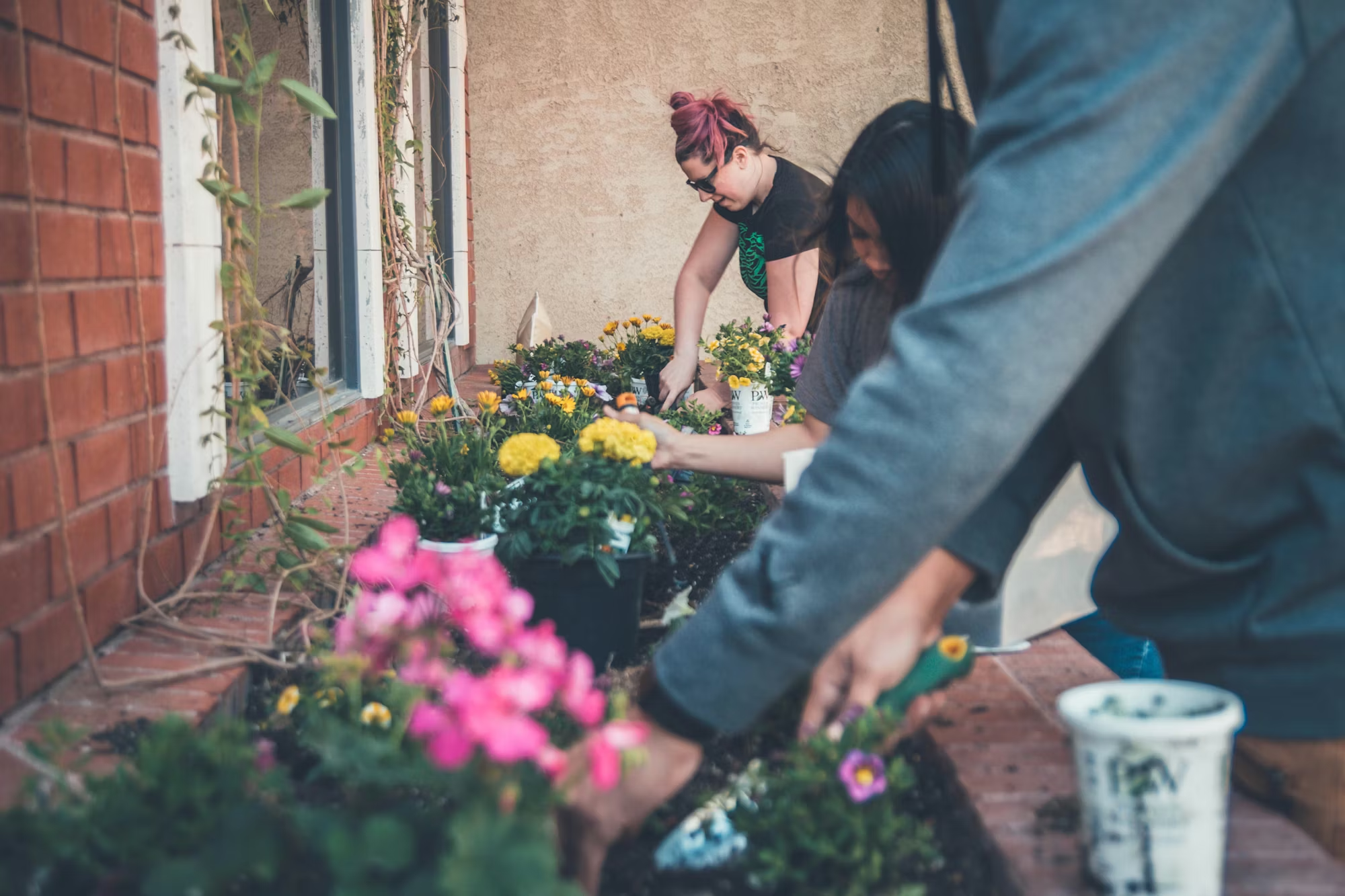
When planting, be sure to follow the guidelines for each plant regarding depth and spacing. Water the plants thoroughly after planting to help them settle into their new home. If you are creating a new garden bed, consider using mulch to retain moisture, suppress weeds, and regulate soil temperature. Organic mulches, such as wood chips or shredded leaves, can also improve soil quality as they decompose.
Maintenance is key to keeping your landscape looking its best. Regular watering, especially during dry spells, is essential for plant health. Consider installing a drip irrigation system or soaker hoses to conserve water and ensure even distribution. Additionally, routine weeding will prevent unwanted plants from competing for resources with your desired plants.
Pruning is another important maintenance task that encourages healthy growth and can enhance the shape and appearance of your plants. Be mindful of the best times to prune specific plants, as some may require pruning in late winter or early spring, while others may need to be pruned after blooming.
Fertilization is also vital for maintaining a vibrant landscape. Choose a balanced fertilizer appropriate for your plants, and follow the recommended application rates. This will provide the necessary nutrients to support healthy growth and flowering.
In conclusion, landscape gardening is a fulfilling and creative pursuit that allows you to enhance your outdoor space while reflecting your personal style. By understanding design principles, selecting the right plants, and committing to regular maintenance, you can transform your garden into a beautiful oasis that brings joy to you and your guests. Embrace the art of landscape gardening, and enjoy the process of cultivating your outdoor paradise.