Edible flowers have long been celebrated for their beauty and flavor, adding a unique touch to dishes and beverages. From vibrant petals to fragrant herbs, these blossoms can elevate any culinary creation, transforming everyday meals into extraordinary experiences. This article explores the fascinating world of edible flowers, their culinary applications, health benefits, and practical tips for growing them in your own garden.
The charm of edible flowers lies not only in their visual appeal but also in their diverse flavors and aromas. Varieties like nasturtiums offer a peppery kick reminiscent of arugula, while violets provide a sweet, floral note that can brighten up salads and desserts. Other popular edible flowers include calendula, with its vibrant orange petals, and chamomile, known for its soothing properties and apple-like flavor. Incorporating these flowers into your cooking not only enhances flavor but also introduces a delightful aesthetic that can impress guests and make everyday meals feel special.
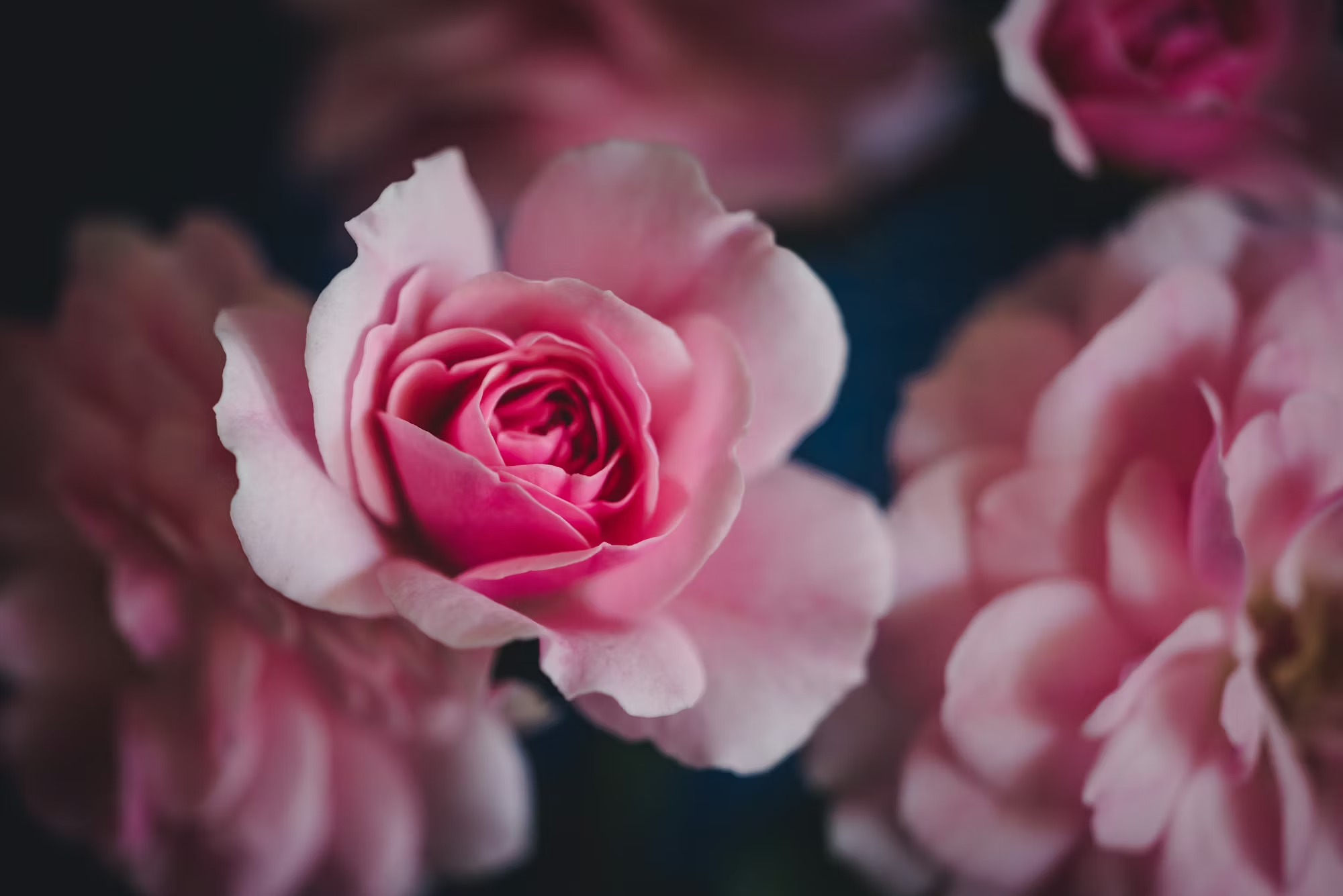
When it comes to culinary uses, the possibilities are endless. Edible flowers can be added to salads, infused in oils, or used as garnishes for desserts and cocktails. They can also be incorporated into baked goods, such as cakes and scones, providing bursts of color and flavor. For example, lavender-infused sugar can sweeten lemonade, while rose petals can transform a simple panna cotta into an elegant dessert. Experimenting with edible flowers encourages creativity in the kitchen and allows you to explore new flavor combinations.
In addition to their culinary applications, many edible flowers offer health benefits. They are often rich in vitamins, antioxidants, and anti-inflammatory properties. For instance, marigold petals contain carotenoids, which are beneficial for eye health, while dandelion flowers are known for their detoxifying properties. By including a variety of edible flowers in your diet, you can enhance your nutritional intake while enjoying their unique flavors. However, it’s essential to ensure that the flowers you consume are free from pesticides and chemicals, as not all flowers are safe to eat.
Growing edible flowers is a rewarding experience that can easily be integrated into any garden or even on a balcony. Many edible flowers are straightforward to cultivate, making them an excellent choice for both novice and experienced gardeners. To begin, select a variety of flowers suited to your climate and growing conditions. Common choices include nasturtiums, pansies, and borage, all of which thrive in full sun and well-drained soil.
Before planting, prepare your garden bed or containers with quality potting soil. Edible flowers can be grown in traditional garden plots or in pots, allowing you to maximize space and flexibility. Consider companion planting, which involves growing different plant species together for mutual benefits. For example, planting marigolds alongside vegetables can deter pests while adding beauty to your garden.
Watering is crucial for the successful growth of edible flowers. Most require regular watering, especially during dry spells. However, it’s essential to avoid overwatering, which can lead to root rot. Monitor soil moisture and adjust your watering schedule based on weather conditions. Additionally, applying mulch around your plants can help retain soil moisture and suppress weeds, promoting healthier growth.
Fertilization can enhance the growth of edible flowers, especially during their active growing season. Organic fertilizers, such as compost or well-rotted manure, provide essential nutrients without the risk of chemical runoff. Regularly adding compost to your soil not only enriches it but also improves soil structure, creating a healthy environment for your plants.
As your edible flowers begin to bloom, remember that harvesting them at the right time is essential for optimal flavor and freshness. Most flowers are best harvested in the morning when their oils are at their peak. Gently snip the blooms, taking care not to damage the plant. Avoid collecting flowers near roadsides or areas that may have been treated with chemicals to ensure safety. Enjoying the fruits of your labor by incorporating freshly harvested flowers into your meals is incredibly rewarding.
Creating a vibrant garden filled with edible flowers is also an opportunity to connect with nature and learn about the environment. Observing pollinators, such as bees and butterflies, as they visit your flowers fosters an appreciation for the ecosystem. By growing a diverse array of plants, you can attract beneficial insects and create a thriving habitat that supports local wildlife.
Incorporating edible flowers into your culinary repertoire not only enhances meals but also sparks conversations and creates memorable dining experiences. Hosting a garden dinner party with dishes adorned with edible flowers can impress your guests and introduce them to new flavors. Sharing recipes and ideas for using edible flowers encourages creativity and inspires others to explore this delightful aspect of gardening and cooking.
Additionally, edible flowers can be a unique gift for friends and family. Creating flower-infused oils, herbal teas, or homemade jams featuring edible flowers can be thoughtful and personal gifts. Sharing the joy of gardening and culinary exploration with loved ones strengthens bonds and fosters a sense of community.
In conclusion, the world of edible flowers is a vibrant and flavorful realm waiting to be explored. From enhancing dishes to promoting health, these blooms offer a multitude of benefits. By growing and incorporating edible flowers into your meals, you embrace creativity in the kitchen and deepen your connection to nature. So, whether you have a sprawling garden or a small balcony, consider cultivating edible flowers and embark on a culinary adventure that celebrates the beauty and flavor of nature. Your taste buds will thank you.